

Modern businesses depend heavily on IT services to manage daily operations, improve communication, and stay competitive in fast-changing markets. From startups to large enterprises, companies use digital tools to store data, protect customer information, and support remote teams efficiently. Reliable Managed IT services help organizations reduce downtime, improve productivity, and maintain secure systems without constant technical disruptions.
Businesses also rely on Cloud computing services and Cybersecurity solutions to handle growing digital demands safely. As technology continues evolving, strong IT support becomes essential for smoother workflows and long-term success. Companies investing in modern Information technology solutions often achieve better efficiency, stronger customer trust, and improved business growth opportunities.
| IT Area | Main Purpose | Business Benefit |
| Cloud Services | Data access | Flexibility |
| Cybersecurity | Threat protection | Data safety[ez-toc] |
| IT Support | Problem solving | Better productivity |
| Automation | Process improvement | Faster operations |
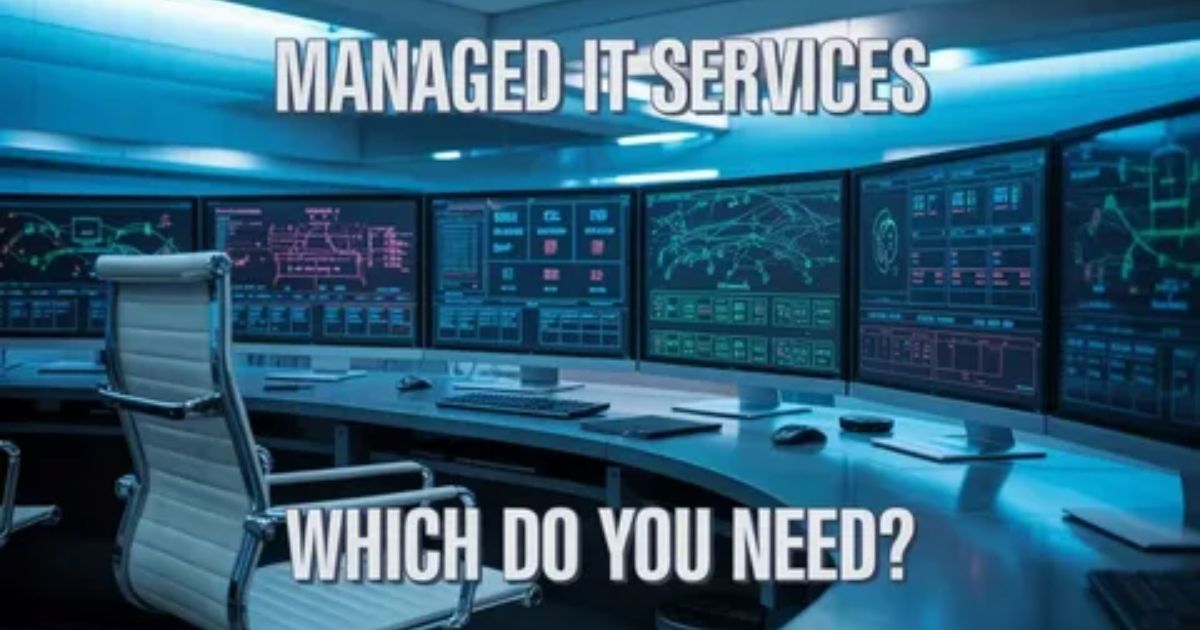
Businesses today operate in a digital-first world. That is why Information technology solutions have become essential for communication, security, and workflow management. Companies use technology to manage employees, customer records, sales systems, and online services. Reliable IT systems help organizations improve business operations while reducing delays and technical confusion.
Modern organizations also depend on Centralized IT services because centralized systems create better control and faster decision-making. These systems help companies optimize business processes, strengthen communication, and support scalability. A centralized environment also helps organizations reduce employee workloads while improving daily productivity and operational consistency.
In simple terms, IT services include every technical system or support solution that helps a company operate smoothly. This includes cloud storage, software support, cybersecurity, and network management. Businesses use these services to support business goals while creating stronger digital efficiency across departments.
Companies now use multiple forms of IT support services depending on their industry and operational needs. Retail stores often focus on payment systems and cloud platforms. Healthcare organizations prioritize security and compliance. Financial firms rely heavily on monitoring and advanced protection systems for secure operations.
Popular services include Cloud computing services, cybersecurity, data management, and software development. Many organizations also use Technical support services for troubleshooting and customer assistance. These services help businesses increase operational efficiency while creating smoother communication between teams and customers.
| IT Service Type | Purpose | Common Users |
| Cloud Hosting | Remote access | Small businesses |
| Cybersecurity | Threat prevention | Financial companies |
| Help Desk | User support | Enterprises |
| Data Recovery | Backup restoration | Healthcare |
Modern businesses increasingly adopt Cloud hosting solutions because cloud systems offer flexibility and lower maintenance costs. Cloud environments allow employees to access files remotely while supporting collaboration. Companies benefit from cloud flexibility and security because cloud providers manage updates, monitoring, and server reliability automatically.
Many organizations now partner with a Managed service provider instead of hiring large internal teams. Outsourced IT experts monitor systems continuously and solve technical problems before they become serious. This approach improves reliability while helping businesses streamline IT operations more effectively.
Professional Managed IT services also improve long-term planning and technical stability. Companies gain access to specialists with deep Technical expertise in cybersecurity, cloud systems, and infrastructure management. These services help organizations improve workflow efficiency while supporting faster business expansion.
Unexpected outages can damage revenue and customer trust quickly. Professional providers use monitoring tools and Remote IT support systems to detect issues early. This proactive approach helps companies minimize system downtime while ensuring smoother digital operations throughout the workday.
Cloud technology has completely transformed modern business operations. Companies now use Software-as-a-service platforms to access applications without maintaining physical servers. These cloud-based systems reduce hardware expenses while supporting faster deployment and scalability.

Businesses embracing Digital transformation services often achieve better flexibility and communication. Cloud adoption improves collaboration between remote teams while encouraging digital workplace transformation. It also helps organizations support hybrid work environments through secure online access and real-time collaboration tools.
| Cloud Model | Main Advantage | Business Impact |
| SaaS | Easy software access | Lower costs |
| Hybrid Cloud | Flexibility | Better scalability |
| Public Cloud | Faster deployment | Efficiency |
| Private Cloud | Security | Compliance |
Many businesses prefer SaaS solutions because providers handle maintenance, upgrades, and backups automatically. This creates seamless software updates and reduces administrative effort. Secure cloud environments also help companies protect sensitive data while maintaining reliable digital accessibility.
Cybercrime continues increasing every year across the USA. Businesses face ransomware attacks, phishing scams, and data theft daily. That is why companies invest heavily in Cybersecurity solutions and advanced monitoring systems to secure sensitive business information.
Strong Security and data protection strategies include firewalls, encryption, endpoint security, and backup systems. These tools help businesses prevent cyber attacks while reducing operational risks. Companies also use compliance systems to meet legal requirements and maintain customer trust.
Every organization needs strong recovery systems before disasters occur. Reliable Data backup and recovery tools protect critical business information during outages or cyber incidents. Smart business continuity planning also helps companies resume operations quickly after emergencies or unexpected technical failures.
Artificial intelligence now plays a major role in business technology. Companies use AI-powered IT solutions to analyze data, monitor networks, and predict technical issues before they occur. AI improves speed, accuracy, and operational decision-making across multiple industries.
Automation tools also reduce repetitive tasks significantly. Businesses use Workflow automation systems to handle invoices, password resets, and customer responses automatically. These technologies help companies automate workflows while improving productivity and reducing manual errors.
| Automation Tool | Main Use | Benefit |
| AI Chatbots | Customer service | Faster responses |
| Workflow Systems | Task automation | Time savings |
| AI Analytics | Data insights | Smarter decisions |
| Monitoring Tools | Threat detection | Security improvement |
Modern AI systems support technology-driven innovation by identifying patterns humans may overlook. Businesses use predictive analytics to improve planning and customer service. AI tools also help organizations enable business innovation through smarter operational insights and faster automation.
Reliable networks remain the backbone of digital business operations. Organizations depend on Network management and monitoring systems to maintain stable internet connectivity and secure communication channels. Even short outages can impact productivity and customer satisfaction.
Professional Help desk support teams assist employees with technical issues, password problems, and software troubleshooting. Quick technical assistance helps businesses improve response times while reducing frustration among workers and customers.
Strong System management practices keep servers secure and optimized. Companies perform updates, security patches, and regular maintenance to prevent disruptions. These routines support a reliable technology infrastructure while improving system performance and long-term reliability.
Outsourcing technology services gives businesses access to experienced specialists without hiring full-time staff. Companies reduce expenses while gaining faster support and advanced expertise. This strategy improves flexibility and operational efficiency for growing organizations.
External providers also deliver scalable support options for changing business needs. Businesses using outsourced Infrastructure support services often experience fewer technical disruptions. These partnerships help organizations support organizational growth while focusing more on core business activities.
| Outsourcing Benefit | Result |
| Lower Costs | Better budgeting |
| Expert Support | Faster solutions |
| Scalability | Business growth |
| Monitoring | Fewer outages |
Technology directly affects customer satisfaction today. Stable systems, faster websites, and responsive support improve trust and loyalty. Businesses using modern IT systems can improve customer experience while delivering faster and smoother digital interactions.
Choosing the right provider requires careful evaluation. Businesses should review certifications, support availability, security standards, and industry experience before signing agreements. A strong technology partner improves stability and future growth opportunities.
Reliable providers also offer clear Service level agreement terms outlining response times and responsibilities. Effective SLA management improves transparency while helping businesses receive consistent technical support and performance monitoring.
Some companies prefer Internal IT teams for direct control and immediate communication. Others choose outsourcing for flexibility and cost savings. The best option depends on budget, company size, and technical complexity.

The future of Enterprise IT solutions will focus heavily on AI, automation, cloud systems, and cybersecurity. Businesses increasingly adopt advanced tools to improve operational speed and digital security. Companies that adapt early often gain stronger competitive advantages.
Emerging technologies like Virtualization technology, automation, and predictive analytics continue reshaping industries rapidly. Businesses investing in future-ready technology position themselves for long-term digital success while supporting innovation and smarter decision-making.
Modern IT service management platforms now integrate automation and predictive analytics. These systems simplify operations while improving service delivery. Businesses using intelligent IT management tools can simplify IT management and respond to technical issues more efficiently.
Technology now influences every area of business success. From cloud platforms to cybersecurity, reliable IT operations management creates stronger communication, productivity, and security. Companies investing in smart digital systems often achieve better growth and operational stability.
Modern organizations need secure, scalable, and flexible technology environments to remain competitive. Businesses using advanced IT strategies can improve digital experiences, strengthen customer trust, and build sustainable long-term success in an increasingly digital economy.
Get free consultation